


 In the agricultural and horticultural sectors, efficient water management remains one of the most critical challenges. As global water scarcity intensifies and operating costs continue to rise, many nurseries and growers are seeking advanced irrigation solutions. The nursery soaker watering system has emerged as a sustainable and cost-effective approach that combines precision watering with environmental responsibility. This system not only conserves water but also ensures that plants receive consistent moisture at their roots. Its design integrates technology and practicality, offering measurable benefits for both small-scale growers and commercial greenhouses.
1. Understanding the Nursery Soaker Watering System
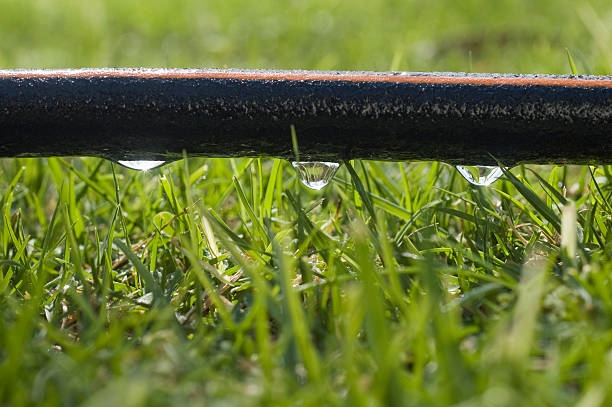
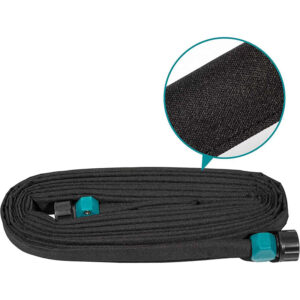
A nursery soaker watering system is designed to deliver water directly to the soil, allowing it to seep slowly around the plant roots. Unlike overhead sprinklers, it eliminates excessive evaporation and water drift. This type of soaker hose irrigation relies on porous tubing or micro-perforated pipes that release water gradually along their length. The result is uniform moisture distribution, healthier root development, and improved plant growth.
When compared with conventional watering methods, this system reduces water waste by up to 70%. Because it delivers moisture precisely where needed, it also minimizes nutrient runoff and prevents soil compaction. These combined advantages make the system ideal for nurseries, greenhouses, and even urban gardens that demand both precision and sustainability.
2. The Science of Efficient Water Delivery
The efficiency of nursery soaker irrigation systems stems from basic soil physics. Water moves through capillary action from wetter to drier areas, ensuring even distribution. Since the water penetrates slowly, the soil absorbs it more effectively, reducing surface runoff. This slow-release mechanism helps maintain stable moisture levels, which is crucial for young seedlings that are sensitive to fluctuations in soil hydration.
Furthermore, modern systems integrate pressure-regulating valves and timers. These additions allow growers to control water flow and schedule irrigation during cooler hours, minimizing evaporation losses. When connected to automated sensors, soaker systems become part of a smart irrigation network capable of responding to environmental changes such as humidity, rainfall, and temperature.
3. Reducing Water Waste in Modern Agriculture
Water waste is a major issue in traditional irrigation practices. Overhead sprinklers, for example, lose large amounts of water to wind drift and surface evaporation. In contrast, the soaker watering system operates at ground level, ensuring nearly all water reaches the root zone. This targeted delivery method reduces unnecessary water use and makes each drop count.
In large-scale nursery operations, cumulative savings are substantial. By minimizing runoff, the system helps preserve local water tables and prevents the leaching of fertilizers into nearby ecosystems. These environmental benefits align with modern sustainability goals and the growing demand for eco-friendly agricultural technologies.
4. Lowering Operational Costs Through Precision Irrigation
The economic advantage of a nursery soaker system is equally significant. Because the water is applied efficiently, growers spend less on utilities and fertilizers. Fewer pumps and reduced pressure requirements also mean lower energy consumption. Over time, these savings offset the initial investment in equipment and installation.
Moreover, uniform moisture distribution leads to healthier and more uniform plants, which can improve market value. By reducing stress on the root system, plants experience faster growth and higher disease resistance. As a result, nursery managers achieve higher yields with less input, making the system an economically viable choice for sustainable operations.
 5. Adaptability to Different Environments
The versatility of soaker watering systems is one of their strongest advantages. They can be customized for open fields, raised beds, or enclosed greenhouses. The tubing layout can be easily adjusted to accommodate different plant types and spacing. In regions with irregular rainfall, these systems complement natural precipitation and maintain consistent moisture without overwatering.
Temperature and soil type also influence performance. Sandy soils, for example, require slower water delivery to prevent deep percolation losses, while clay soils benefit from lower pressure to avoid surface pooling. Manufacturers now offer flexible materials and design options that maintain system efficiency across diverse conditions.
6. Integrating Smart Irrigation Technologies
As agriculture becomes increasingly data-driven, integrating smart irrigation systems with soaker technology offers a new level of precision. Soil moisture sensors, automated controllers, and mobile apps allow operators to monitor water usage in real time. When connected to weather data, the system can adjust irrigation schedules automatically to prevent waste.
For nurseries that manage thousands of seedlings, automation simplifies operations and enhances consistency. Smart soaker systems not only save water but also provide data insights that support better resource planning. This technology-driven approach transforms water management from a reactive process into a predictive, sustainable strategy.
 7. Future Trends and Innovations
The future of nursery irrigation lies in combining soaker systems with renewable energy and data analytics. Solar-powered pumps and wireless monitoring devices are already reducing the system’s carbon footprint. Meanwhile, biodegradable hoses are being developed to minimize plastic waste. These innovations show how irrigation is evolving from a purely mechanical process to a sustainable ecosystem that benefits both growers and the planet.
Conclusion: The Sustainable Path Forward
In conclusion, the nursery soaker watering system represents more than just a practical irrigation tool—it is a model for sustainable agriculture. By reducing water waste, lowering operational costs, and improving crop consistency, it supports both economic efficiency and environmental responsibility. As climate change and population growth place increasing pressure on global water resources, adopting intelligent watering systems will become essential for nurseries and growers worldwide. Through continued innovation and responsible implementation, the industry can achieve a balance between productivity and preservation.