



Why Cold-Weather Irrigation Needs New Thinking
Gardening and landscape management now face complex climate risks. Winters grow colder, storms strike without warning, and daily temperature swings disrupt outdoor irrigation. Traditional hoses struggle in these shifting conditions because they harden in low temperatures and crack when pressure builds. Consequently, gardeners, farmers, and landscape contractors search for equipment that adapts to unpredictable weather patterns.
As these challenges grow, frost-resistant expandable garden hoses enter the market with stronger materials and smarter designs. They support irrigation even during harsh winters. They also protect water flow systems from seasonal stress. Their flexible structure expands under pressure and contracts when idle. Additionally, this adaptability protects the hose from ice, external damage, and operational strain.
This article explores how these hoses improve winter irrigation reliability and how climate-ready hose technology shapes future landscaping practices.
1. The Climate Challenge: How Extreme Weather Reshapes Irrigation Needs
Cold seasons change rapidly. A warm afternoon can drop into freezing night hours. These transitions stress irrigation systems severely. Conventional hoses become stiff when temperatures fall. They lose elasticity and often fracture under pressure. Sudden ice expansion worsens the problem and increases maintenance costs.
Because winters now vary unpredictably, gardeners must reconsider older tools. They need solutions that withstand constant temperature fluctuations. Frost-resistant expandable garden hoses offer this stability through engineered flexibility. They maintain normal flow even when temperatures shift quickly. Consequently, they reduce system downtime and avoid common winter failures.
These improvements matter greatly because irrigation must continue despite climate uncertainty. Plants in winter greenhouses, frost-sensitive landscapes, and commercial gardens still require a controlled water supply. With newer hose technologies, professionals maintain smooth operations through difficult seasons.
2. Why Expandable Hoses Fit Harsh Winter Conditions Better
Expandable hoses behave differently from rigid PVC hoses. Their layered structure responds to water pressure by stretching gently. Once pressure is released, they contract. This characteristic reduces internal stress during freeze-thaw cycles.
Furthermore, frost-resistant expandable garden hoses use thicker elastic cores. These cores resist cold-temperature shrinkage. Even in low temperatures, the material remains flexible. Therefore, cracks and leaks occur less frequently. Winter irrigation becomes stable under changing weather patterns.
Additionally, their fabric shells protect the elastic tube from physical wear. Snow, ice, and sharp frozen surfaces create less surface damage. Compared with traditional hoses, expandable hoses maintain performance even when left outdoors for extended periods.
This flexibility not only suits gardens; it also benefits greenhouse operations, outdoor nurseries, and winter landscaping teams.
3. Material Science Behind Frost-Resistant Hose Performance
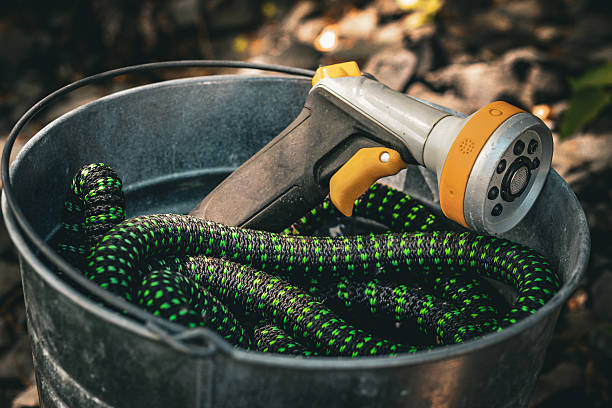
The durability of frost-resistant expandable garden hoses comes from advanced material engineering. Manufacturers use blended latex or TPE cores that maintain elasticity under cold conditions. These materials adjust to pressure without tearing.
Moreover, outer fabrics use tightly woven polyester or nylon. These fabrics prevent puncture damage and protect the inner tube from frost accumulation. As a result, the hose endures rough weather and repeated handling.
Additionally, fittings made of aluminum or brass resist corrosion caused by winter moisture. Metal stability ensures secure connections even in freezing rain. Because fittings rarely deform, hoses maintain constant water flow during freezing periods.
Through combined material enhancements, winter irrigation becomes safer and more dependable.
4. The Role of Winter Flexibility in Hose Longevity
Flexibility determines how long a hose survives winter. Rigid hoses crack when expanding ice presses against their internal walls. However, frost-resistant expandable garden hoses stretch enough to absorb that pressure. They survive cold nights without structural failure.
This durability increases long-term value. Gardeners replace fewer hoses and reduce seasonal maintenance. Landscapers save labor hours and improve operational consistency. Winter greenhouse managers keep irrigation stable with fewer interruptions.
Because flexibility protects both internal and external layers, hose’s lifespan extends significantly. These advantages support sustainable gardening because fewer materials enter waste streams each year.
5. Pressure Stability Matters More in Winter
Water pressure varies during cold months. Frozen ground affects supply lines and changes pressure flow. Many hoses cannot endure sudden surges. However, frost-resistant expandable garden hoses regulate pressure through controlled expansion.
Their elastic cores distribute pressure evenly along the length. Consequently, they resist bursts caused by freezing blockage. When pressure drops, the hose contracts and stabilizes quickly.
This behavior helps irrigation systems maintain reliable flow. Winter gardens depend on controlled pressure more than summer gardens. Sensitive plants require accurate watering even when temperatures fall. These hoses support that precision without causing strain on connected equipment.
6. Lightweight Structure Supports Safer Winter Handling
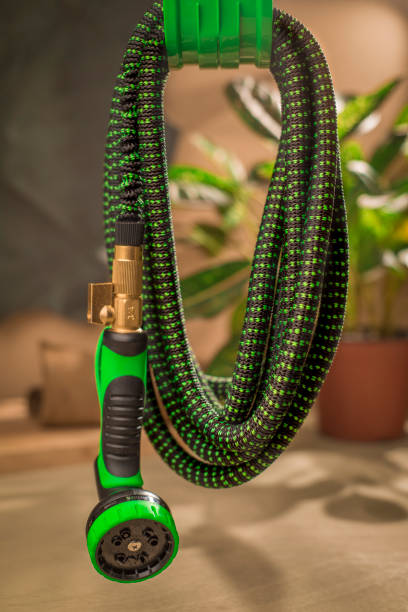
Cold weather makes equipment harder to manage. Heavy hoses become difficult to move over snow and ice. Expandable hoses solve this challenge through lightweight structure. They weigh significantly less than traditional rubber hoses.
This lightweight design allows gardeners to move hoses easily across frozen landscapes. Landscapers handle long lengths without excessive fatigue. Snow removal crews avoid entanglement issues because hoses compact neatly.
Furthermore, the hose’s small contracted size provides safe winter storage. Even in compact sheds, users store them without bending or folding. This storage safety reduces cracking risks and maintains structural quality for the next season.
 7. Outdoor Landscape Systems Depend on Winter-Ready Hoses
Landscape irrigation continues during winter in many climates. Trees require occasional hydration. Evergreen shrubs need controlled watering. Winter lawns must preserve root stability. Consequently, outdoor systems cannot pause entirely.
Frost-resistant expandable garden hoses support these functions. Their durability allows landscapers to operate in freezing temperatures. Their pressure stability supports drip systems, misting lines, and winter spraying equipment.
Even frost-prone yards benefit. Because these hoses resist freezing damage, homeowners avoid expensive repairs. As winter storms rise in frequency, these advantages become essential for property maintenance.
8. Greenhouse Operations Require Reliable Winter Irrigation
Greenhouses depend on consistent water flow. Temperature-controlled environments cannot rely on hoses that stiffen or break during cold nights. Consequently, expandable hoses fit greenhouse operations well.
These hoses handle indoor-outdoor transitions easily. They bend around warm areas and freezing entrances without cracking. Their frost-resistant performance protects sensitive crops and delicate root systems.
Additionally, greenhouse workers move hoses frequently. Lightweight hoses reduce strain. They also prevent tripping hazards because they contract neatly when not in use. Through these benefits, greenhouse efficiency improves significantly during winter.
9. How Unpredictable Climates Influence Hose Design Standards
Climate unpredictability shapes new requirements. Manufacturers redesign hoses to survive extreme conditions. Today’s frost-resistant expandable garden hoses include reinforced seams, multi-layer structures, and freeze-flex cores.
These design standards reflect the need for reliable winter irrigation. They also show how the garden equipment market evolves with climate trends. Designers now focus on impact resistance, strong elasticity, and stable fittings.
Because the environment shifts rapidly, irrigation products must adapt quickly. Modern hoses represent this shift through stronger materials and better engineering. Consequently, the industry grows more resilient year by year.
10. Winter Safety Improves When Hoses Resist Stiffness
Stiff hoses create safety risks. They whip when moved. They break easily when stepped on. They also freeze to the ground and create tripping hazards. Frost-resistant expandable garden hoses stay flexible in cold temperatures.
This flexibility protects workers and homeowners. It also prevents sudden bursts that could cause slippery surfaces. Landscapers experience fewer accidents because hoses bend naturally around obstacles.
Safer handling improves winter productivity. Fewer injuries and fewer equipment failures create smoother operations during harsh seasons.
11. Storage Practices Improve Hose Winter Resilience
Proper storage protects winter irrigation tools. Expandable hoses support better storage because they compress neatly. They require less space and avoid tight coils that cause structural stress.
Moreover, their flexible materials tolerate cold storage rooms better than rigid hoses. Users drain water easily by lifting one end because the hose contracts smoothly. This drainage prevents internal ice buildup.
These storage advantages ensure long-season performance. Because winter lasts several months in many regions, storage reliability becomes a major benefit for professionals and homeowners.
12. Real-World Applications Demonstrate Strong Winter Performance
Professional landscapers rely on frost-resistant expandable garden hoses for winter cleanup tasks. They wash equipment, hydrate key plants, and manage outdoor spaces after snowstorms.
Agricultural workers use these hoses in early-spring planting because fields remain cold. Greenhouse operators rely on them during frost events because water flow must remain steady. Municipal park teams use them for winter path cleaning and outdoor tree maintenance.
Because these hoses remain flexible across all these scenarios, they outperform traditional hoses consistently. Their resilience proves valuable across diverse climates and landscapes.
Conclusion: Frost-Resistant Expandable Garden Hoses Define the Future of Winter Irrigation
Extreme weather creates new challenges for gardeners, landscapers, and greenhouse teams. Traditional hoses fail during sudden freezes and fluctuating temperatures. However, frost-resistant expandable garden hoses offer a path forward. Their flexible structure, advanced materials, and winter stability support irrigation through difficult conditions.
They improve safety, reduce maintenance costs, and support reliable water flow during harsh winters. Moreover, they adapt to unpredictable climates and evolving landscaping needs. As weather patterns continue shifting, these hoses become essential tools for sustainable outdoor care. They help professionals build resilient irrigation systems that perform reliably even in the coldest seasons.
The future of winter irrigation now depends on equipment that withstands environmental stress. Frost-resistant expandable garden hoses meet this requirement with durable, adaptable, and climate-ready engineering.