



Holiday gardens often demand more water because blooms peak during seasonal events when outdoor temperatures rise. Yet many growers still rely on broad-coverage watering tools that waste water through evaporation and overspray. As climate pressure increases, gardeners now search for solutions that reduce water use while still keeping plants vibrant. Therefore, water-saving garden drip hoses have become essential in many modern landscapes. Their precise delivery approach allows gardens to stay green while using far less water than traditional sprinklers.
Although many gardeners already understand the value of drip systems, they often underestimate how much performance improves when hoses use optimized emitters and controlled flow paths. Because drip systems operate at low pressure, they conserve water while guiding every drop to the root zone. As a result, the soil stays evenly moist without encouraging fungal growth on leaves. This stable moisture profile supports holiday plants that must maintain color and density during festive schedules.
However, the effectiveness of water-saving garden drip hoses does not come from one design feature. Instead, the system relies on a set of engineering choices that regulate flow, maintain uniformity, and create predictable hydration patterns. When these features work together, even novice gardeners can maintain lush seasonal beds with minimal waste. Moreover, the system reduces labor demands because watering cycles become consistent and automatic. This consistency is especially valuable for nurseries that scale production during holiday seasons.
Engineering Flow Efficiency
Drip systems optimize flow by using internal labyrinth structures that slow water and stabilize pressure. Since flow control begins at the hose level, growers can run long lines of water-saving garden drip hoses without suffering major pressure loss. Consequently, each emitter delivers similar output, even when the garden bed has varied elevation. In holiday gardens, where sections often hold mixed seasonal plants, flow balance prevents weaker plants from suffering stress.
Furthermore, hose designers use pressure-compensating emitters to maintain accuracy when water sources fluctuate. Because seasonal irrigation often depends on municipal supplies, pressure changes can occur at unexpected times. Drip hoses counter this risk by adjusting output automatically. As a result, plants receive stable hydration during peak hours when water demand rises.
Delivering Water at the Root Zone
Traditional sprinklers spread water across wide areas. Although this method cools foliage, it also loses water through evaporation. During holidays, when sunlight remains strong, this loss becomes costly. Drip irrigation hoses avoid this problem by releasing water directly into the soil. Since plants absorb water most efficiently through roots, this strategy supports rapid growth while protecting resources.
Additionally, by keeping foliage dry, water-saving garden drip hoses reduce disease risk. Many holiday plants, including poinsettias and seasonal bedding varieties, react poorly to wet leaves. Therefore, targeted soil hydration helps maintain color and shape through the season. Because soil moisture remains steady, roots grow deeper and stronger. Deeper roots allow plants to handle temperature swings common during festive outdoor displays.

Supporting High-Density Holiday Beds
Holiday gardens often use dense planting layouts to create iconic seasonal patterns. However, dense beds typically block water from reaching lower root layers when using overhead methods. The low-flow nature of garden drip systems allows water to move gradually into deeper soil layers without runoff. Through this approach, every plant in the cluster receives equal moisture.
Moreover, drip hoses can weave through narrow planting corridors. Since they operate at low pressure, they do not disturb soil structure or expose roots. This gentle delivery style supports delicate transplants that nurseries produce for holiday markets. Many growers note that drip-irrigated beds experience less shock after planting, which improves survival during peak sales periods.
Adapting to Mulched and Decorative Surfaces
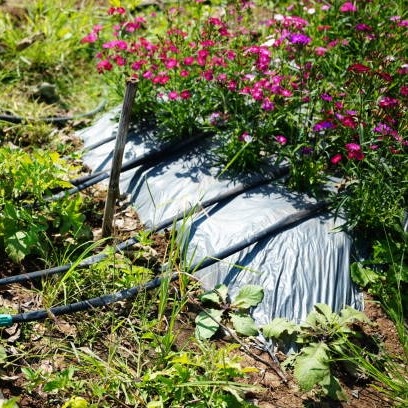
Holiday displays frequently use mulch, decorative stones, or themed coverings. Overhead watering tends to displace these materials, reducing visual appeal. Drip irrigation hoses operate under these surfaces without disturbing them. Because the water enters the soil slowly, landscapers can preserve the intended arrangement throughout the season.
Furthermore, mulch reduces surface evaporation, which multiplies the water-saving effect. As the mulch layer insulates the soil, drip systems maintain stable root temperatures. This thermal stability protects holiday plants from sudden temperature swings that occur during late evenings or early mornings.
Precision for Seasonal Plant Types
Holiday gardens often contain mixed species with different hydration needs. Water-saving garden drip hoses allow growers to create zones with varied flow rates. Although the main line remains consistent, flow can be adjusted using different emitter spacings. This approach ensures drought-tolerant plants receive less water while moisture-loving species receive more.
For example, winter herbs require moderate hydration, while holiday roses need more moisture. Drip systems support both groups simultaneously because their modular nature adapts to diverse configurations. In commercial nurseries, this flexibility helps maintain product quality during high-demand seasons.
Reducing Water Consumption
One of the most significant advantages of water-saving garden drip hoses is their impact on water consumption. Studies show that drip irrigation systems often reduce water use by more than half compared with sprinkler systems. Because the delivery path is direct, almost every drop supports plant metabolism. This efficiency aligns with global sustainability goals while lowering costs for gardeners and nurseries.
Moreover, many municipalities now encourage low-flow irrigation by offering incentives. Drip systems, therefore, play both an ecological and economic role. Gardeners can maintain festive displays without contributing to unnecessary resource depletion. As drought seasons spread across many regions, this feature becomes essential.
 Supporting Soil Health and Microbial Activity
Healthy soil remains the foundation of holiday garden success. Drip irrigation hoses create moisture patterns that support microbial balance. Since soil stays moist but never waterlogged, microbes thrive and improve nutrient availability. Plants absorb these nutrients efficiently, which enhances bloom production and foliage density.
Additionally, drip systems reduce erosion. Water enters soil slowly, so nutrients remain in place. Holiday gardens often use fertilization schedules that extend through the season. Slow moisture absorption supports nutrient retention, which boosts overall plant vitality.
Managing Heat Stress in Seasonal Displays
Holiday gardens in warm regions face serious heat challenges. However, drip irrigation reduces heat stress by stabilizing root moisture. When roots stay hydrated, foliage tolerates higher temperatures without wilting. Consequently, displays remain vibrant through the season, even during midday heat.
Because water-saving garden drip hoses deliver moisture gradually, plants avoid the shock associated with rapid surface watering. This gentle hydration reduces stress markers and supports continuous growth. As a result, gardeners can prepare displays earlier without risking premature damage.
Conclusion
Water-saving garden drip hoses redefine how holiday gardens flourish during high-demand seasons. Their low-flow, root-focused hydration strategy strengthens plant health while reducing waste. Because they operate efficiently under decorative surfaces and dense plant layouts, they offer unmatched versatility for seasonal designs. Moreover, their ability to reduce water consumption supports both environmental and economic goals.
Through precise hydration, stable soil conditions, and flexible layout options, garden drip systems allow holiday landscapes to remain lush with only half the water. As climate challenges increase, these systems will continue shaping the future of sustainable festive gardening.